
New Arrivals
CHEMICAL FREE GHEE
WHAT ARE THE IMPACTS OF ORGANIC GHEE ON KIDS HEALTH
Organic ghee is made from organic butter, which means it is produced without the use of synthetic pesticides, hormones, or antibiotics. This reduces the risk of kids ingesting potentially harmful chemicals that may be present in conventional dairy products.
A Philosophy rooter in Interdependence
Ancient System of farming that still thrieves in our village
CowDung
Gur (Jaggery)
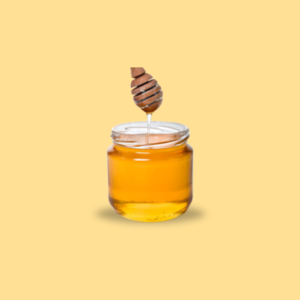
Forest Bee Honey
A2 Ghee
CowDung
₹10.00
Gur (Jaggery)
₹200.00
Forest Bee Honey
₹600.00
CowDung
Gur (Jaggery)
Forest Bee Honey
A2 Ghee
Customers Reviews
Deal Of The Day 15% Off On All Vegetables!
I am text block. Click edit button to change this tex em ips.
Featured Brands:
Add Your Heading Text Here
Customer Review
BENEFITS OF BUYING
WHY SHOULD YOU BUY ORGANIC PRODUCTS
The decision to buy organic products is often influenced by a combination of health considerations, environmental concerns, ethical beliefs, and personal preferences.
Organic farming practices prioritize soil health, biodiversity, and ecological balance. By avoiding synthetic inputs and emphasizing techniques like crop rotation, cover cropping, and composting, organic farmers aim to minimize their impact on the environment and promote long-term sustainability.
GHEE MADE FROM YOGHURT (CURD)
WHY SHOULD YOU BUY THE TBOF CULTURED GHEE?
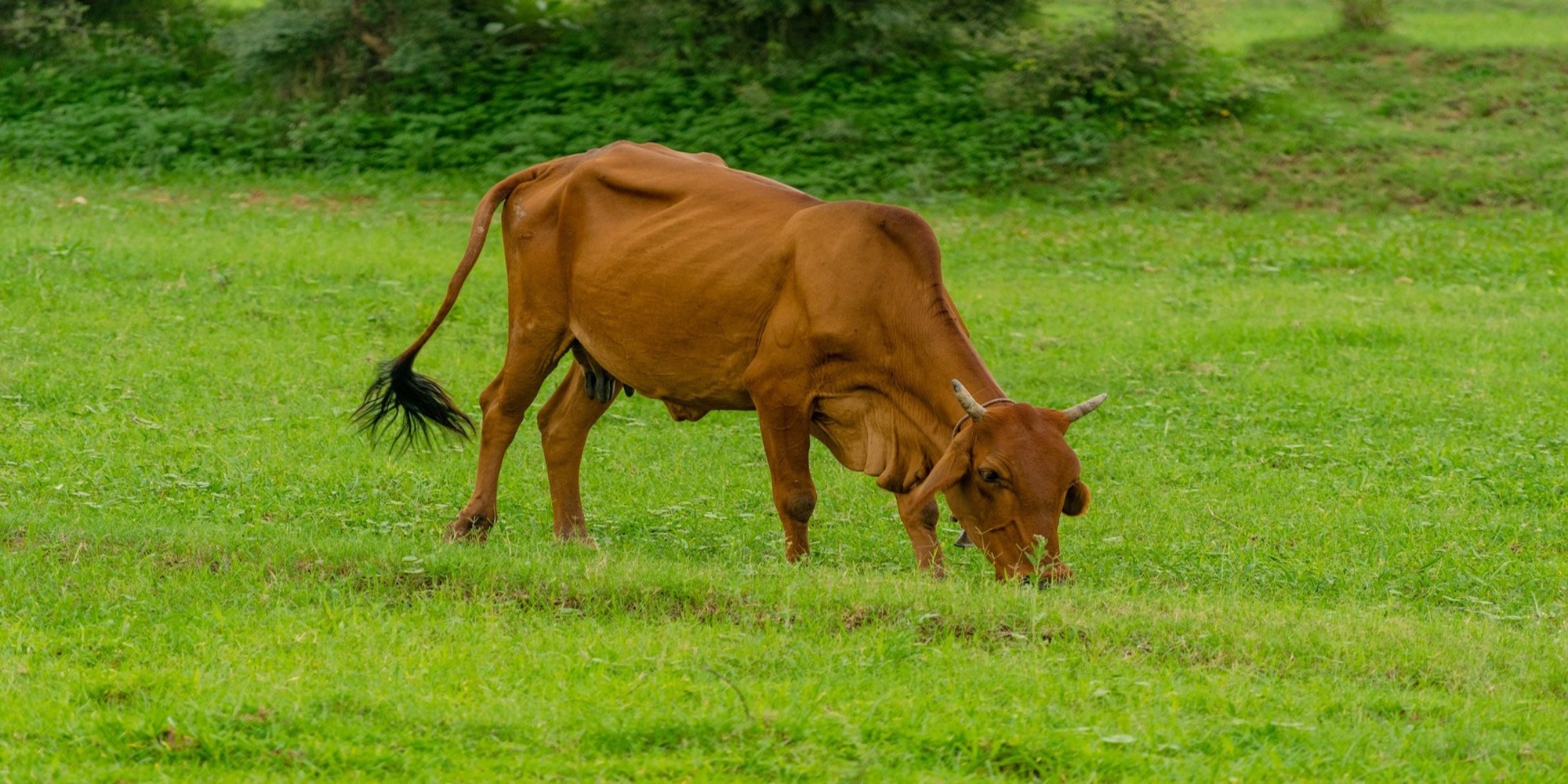
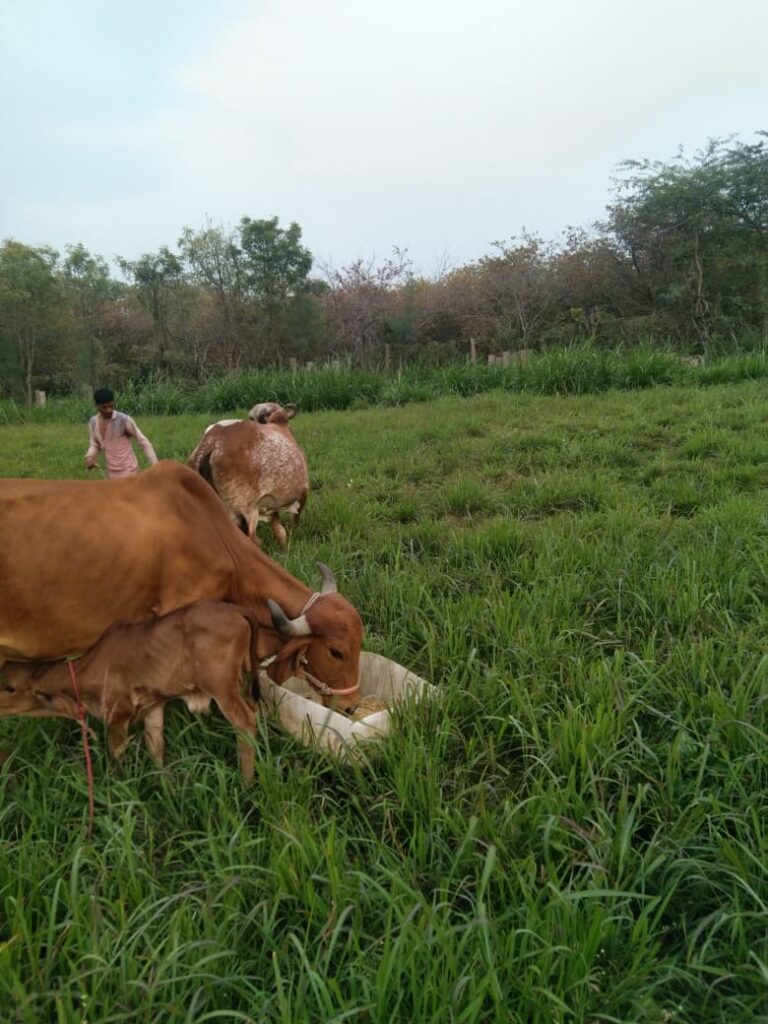
Pure Desi Gir Cow Ghee made from A2 milk from our own Gir cows which are free grazed on the Ecocert certified organic farm.
Add Your Heading Text Here
GHEE MADE FROM YOGHURT (CURD)
WHY SHOULD YOU BUY THE TBOF CULTURED GHEE?
Pure Desi Gir Cow Ghee made from A2 milk from our own Gir cows which are free grazed on the Ecocert certified organic farm.
About
WHO ARE WE?
we are the second generation farmers inspired by the traditional farming or ancient farming also environmental awareness and health and wellness of a living being. we perform farming in a pure organic way we are feeding our gir cow's orgnaic feeder we are trying to save our our soil and human beings from the chemical.
As an organic farmer producing products like ghee, honey, jaggery, wheat, and other items while prioritizing soil health, we represent a steward of the land and a promoter of sustainable agriculture. Our dedication to organic farming practices reflects a commitment to producing high-quality, environmentally friendly products that nourish both people and the planet. we are an advocate for healthy living, community engagement, and responsible stewardship of natural resources. We contribute to a more sustainable food system and inspire others to make informed choices that support the well-being of both individuals and the environment.
CHEMICAL FREE GHEE
WHAT ARE THE IMPACTS OF ORGANIC GHEE ON KIDS HEALTH
Reduced exposure to harmful chemicals: Organic ghee is made from organic butter, which means it is produced without the use of synthetic pesticides, hormones, or antibiotics. This reduces the risk of kids ingesting potentially harmful chemicals that may be present in conventional dairy products.
High in beneficial nutrients: Ghee, including organic ghee, is rich in fat-soluble vitamins like vitamin A, D, E, and K2, which are important for children's growth and development. Additionally, organic ghee may contain higher levels of certain beneficial compounds due to the organic farming practices used in its production.
Improved digestion: Ghee is known for its digestive benefits in Ayurvedic medicine. Organic ghee, produced from organic butter, may offer these benefits without the potential negative impacts of synthetic additives or contaminants.
SOIL HEALTH
Promotes organic farming practices: The production of organic ghee typically involves using organic butter sourced from organic milk. Organic dairy farming practices often prioritize soil health through methods like pasture rotation, composting, and minimal use of synthetic inputs. These practices can help improve soil structure, fertility, and microbial diversity.
Reduces chemical pollution: By choosing organic ghee, consumers support organic dairy farms that avoid the use of synthetic pesticides, fertilizers, and other chemicals. This reduces chemical runoff into waterways and minimizes soil contamination, contributing to overall soil health and environmental sustainability.
Encourages biodiversity: Organic dairy farms often incorporate practices like rotational grazing and the preservation of natural habitats, which can enhance biodiversity and ecosystem resilience. Healthy soils support diverse populations of microorganisms, plants, and animals, creating a more balanced and sustainable farming ecosystem.
BENEFITS OF BUYING
WHY SHOULD YOU BUY ORGANIC PRODUCTS
The decision to buy organic products is often influenced by a combination of health considerations, environmental concerns, ethical beliefs, and personal preferences.
Organic farming practices prioritize soil health, biodiversity, and ecological balance. By avoiding synthetic inputs and emphasizing techniques like crop rotation, cover cropping, and composting, organic farmers aim to minimize their impact on the environment and promote long-term sustainability.
REASONS TO BUY FROM US
Health benefits: Organic products are often perceived as being healthier because they are produced without synthetic pesticides, herbicides, and fertilizers. Many people choose organic food to reduce their exposure to potentially harmful chemicals and to consume produce that is grown in a more natural and environmentally friendly manner.
Environmental sustainability: Organic farming practices prioritize soil health, biodiversity, and ecological balance. By avoiding synthetic inputs and emphasizing techniques like crop rotation, cover cropping, and composting, organic farmers aim to minimize their impact on the environment and promote long-term sustainability.
Animal welfare: Organic standards often include requirements for the humane treatment of animals, such as providing access to outdoor pasture and prohibiting the use of antibiotics and growth hormones for non-medical purposes. People who are concerned about animal welfare may choose to buy organic meat, dairy, and other animal products.
Support for local farmers: Many organic products are produced by small-scale or local farmers who follow organic practices. By buying organic, consumers can support these farmers and contribute to the growth of sustainable agriculture in their communities.
Taste and quality: Some people believe that organic produce and other food products have better flavor and quality compared to conventionally grown alternatives. This may be due to factors such as soil health, ripeness at harvest, and varietal selection.
GMO avoidance: Organic products are produced without the use of genetically modified organisms (GMOs). Some consumers prefer to avoid GMOs for reasons related to health, environmental concerns, or ethical considerations.
Personal values and beliefs: For many consumers, buying organic is a reflection of their personal values and beliefs about health, environmental stewardship, and sustainability. Choosing organic products allows them to align their purchasing decisions with these values and support companies and producers that share their principles.
Organic Certification:
Organic certification involves adhering to strict standards set by regulatory bodies.
Quality of Ingredients:
Organic ghee typically requires high-quality organic butter as its primary ingredient.
Production Process:
The process of making ghee involves heating butter to separate the milk solids and water from the fat, resulting in a pure form of clarified butter.
Packaging and Distribution:
Packaging costs can add up, especially if the product is marketed as organic, as labels and packaging materials may need to meet specific organic standards.
Market Demand and Supply:
The demand for organic products has been steadily increasing due to growing consumer awareness of health and environmental concerns.
Economic Factors:
Economic factors such as fluctuations in the prices of raw materials, energy costs, and labor wages can also impact the overall cost of producing organic ghee.